
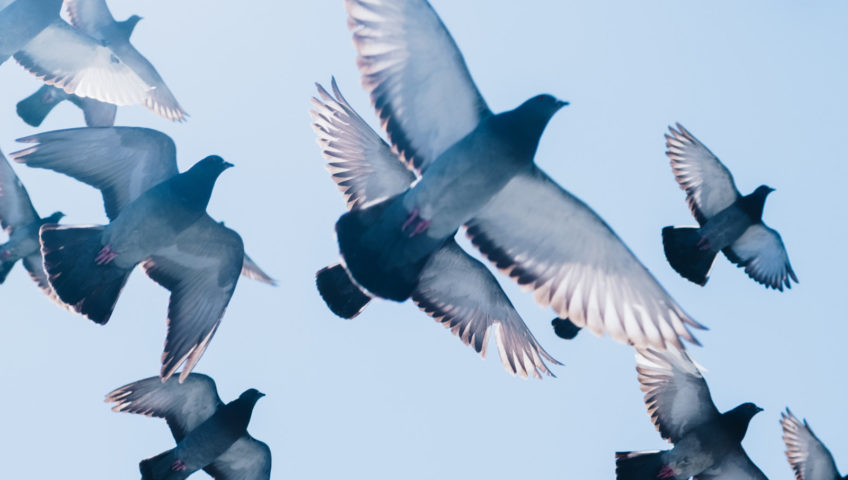
Are Pigeon Droppings Dangerous? The Risks of Pigeon Infestation
Pigeons are a common sight in urban areas, and while they may seem harmless, they can cause a lot of damage to buildings and pose a risk to human health. Pigeon droppings, in particular, can be a health hazard, and it’s important to understand the risks associated with them. In this post, we will explore the dangers of pigeon droppings and the importance of pigeon-proofing and bird control.
The Risks of Pigeon Droppings
Pigeon droppings are not only unsightly but can also be a health hazard. They contain a range of bacteria, viruses, and fungi that can cause serious health problems, especially for people with weakened immune systems. The following are some of the risks associated with pigeon droppings:
Salmonella
Salmonella is a type of bacteria that can cause food poisoning. It is commonly found in pigeon droppings and can be transmitted to humans through contact with contaminated surfaces or inhalation of airborne particles. Symptoms of salmonella include diarrhoea, fever, and abdominal cramps.
Histoplasmosis
Histoplasmosis is a fungal infection that can be contracted by inhaling airborne spores from pigeon droppings. It can cause flu-like symptoms, including fever, cough, and fatigue, and in severe cases, it can lead to lung infections and other complications.
Cryptococcosis
Cryptococcosis is another fungal infection that can be transmitted through contact with pigeon droppings. It can cause respiratory problems, meningitis, and other serious health issues.
The Dangers of Pigeon Infestation
Pigeons are not only a health hazard but can also cause a lot of damage to buildings and infrastructure. They can create nests in roofs, gutters, and other areas, which can lead to blockages and water damage. Pigeon droppings can also corrode building materials, including metal and stone, and cause costly damage.
Damage to Roofs
Pigeon droppings are known to be acidic, and this can cause damage to roofing materials. If left untreated, the droppings can corrode the surface of the roof and cause leaks.
Damage to Air Conditioning Units
Pigeons can also cause damage to air conditioning units by building nests in them. This can lead to blockages and reduce the efficiency of the unit, resulting in higher energy bills.
The Importance of Pigeon Proofing and Bird Control
Pigeon proofing and bird control are essential to prevent the risks associated with pigeon infestation. There are several methods of bird control, including netting, spikes, and bird repellents. These methods can be used to prevent pigeons from roosting and nesting in buildings and infrastructure.
Netting
Netting is a common method of bird control that involves installing a net over the area where pigeons are roosting or nesting. This prevents them from accessing the area and can be an effective way of keeping them away.
Spikes
Spikes are another method of bird control that can be used to prevent pigeons from roosting and nesting. They are installed on ledges, roofs, and other areas where pigeons are likely to land.
Bird Repellents
Bird repellents are chemicals or devices that are designed to keep birds away. They can be used to prevent pigeons from roosting and nesting in buildings and infrastructure.
Conclusion
In conclusion, pigeon droppings can be a serious health hazard and can cause a lot of damage to buildings and infrastructure. It’s important to take steps to prevent pigeon infestation and to implement effective bird control measures. If you have a pigeon infestation problem, it’s best to seek professional help from a pest control company that specializes in pigeon-proofing and bird control.