Pigeon Dropping Removal – The Dangers of Pigeon Droppings

The Dangers of Pigeon Droppings and Why You Need Professional Help

Pigeon droppings are a common problem in urban areas, and they can cause serious health risks if not handled properly. In this blog post, we will discuss the dangers of pigeon droppings, the corrosiveness of pigeon droppings, and why it’s advisable to use a professional for pigeon droppings removal.

The Dangers of Pigeon Droppings

Pigeon droppings can be a serious health hazard, especially if they are not cleaned up properly. The droppings can contain a variety of harmful bacteria and viruses, including E. coli, Salmonella, and Cryptococcus. These bacteria and viruses can cause a range of illnesses, from flu-like symptoms to more serious respiratory infections.

Breathing in dust or water droplets containing contaminated bird droppings can lead to several diseases, including a flu-like illness called psittacosis. Vulnerable people with already weakened immunity can get very ill with a chest infection or meningitis. It is very unusual to see cases in the UK, but it is common in other parts of the world, particularly tropical parts, in the US and countries like that where they have more problems with this particular kind of fungus.

The Corrosiveness of Pigeon Droppings

Pigeon droppings are highly corrosive and can cause significant damage to buildings and other structures. The highly acidic content of pigeon guano can be damaging to buildings, causing the soft stones to deteriorate. The accumulation of bird droppings can also cause damage to roofs, gutters, and other areas of a building.

In addition to the corrosive properties of pigeon droppings, they can also attract other pests, such as rats and mice. These pests can cause further damage to buildings and can also carry their own set of health risks.

Why You Need Professional Help

Cleaning up pigeon droppings is not a task that should be taken lightly. It requires specialized equipment and training to ensure that the droppings are removed safely and effectively. Professional pigeon droppings removal companies have the necessary equipment and expertise to safely remove the droppings and dispose of them properly.

Attempting to clean up pigeon droppings on your own can be dangerous and can lead to further health risks. Without the proper equipment and training, you may not be able to remove all of the droppings, which can lead to further health risks and damage to your property.

Conclusion

Pigeon droppings are a serious health hazard and can cause significant damage to buildings and other structures. It’s important to use a professional for pigeon droppings removal to ensure that the droppings are removed safely and effectively. Professional pigeon droppings removal companies have the necessary equipment and expertise to safely remove the droppings and dispose of them properly.

Don’t take any chances with your health or your property. Contact a professional pigeon droppings removal company today to schedule a consultation.
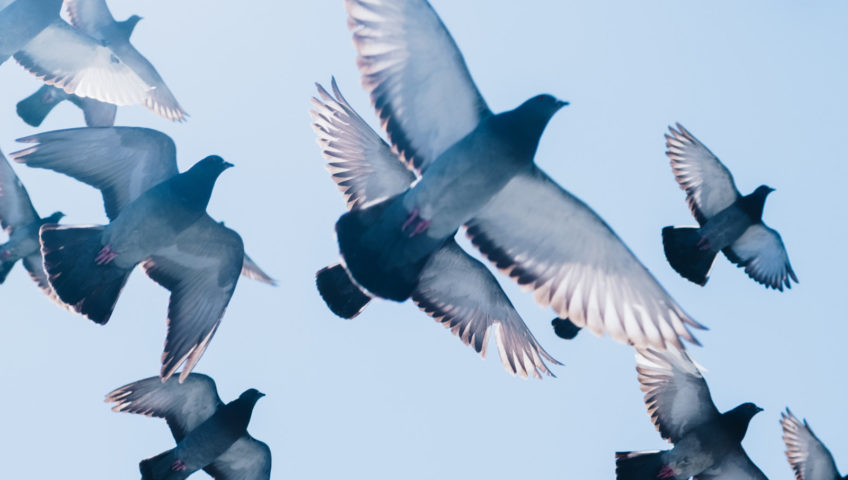
Are Pigeon Droppings Dangerous?

Are Pigeon Droppings Dangerous? The Risks of Pigeon Infestation

Pigeons are a common sight in urban areas, and while they may seem harmless, they can cause a lot of damage to buildings and pose a risk to human health. Pigeon droppings, in particular, can be a health hazard, and it’s important to understand the risks associated with them. In this post, we will explore the dangers of pigeon droppings and the importance of pigeon-proofing and bird control.

The Risks of Pigeon Droppings

Pigeon droppings are not only unsightly but can also be a health hazard. They contain a range of bacteria, viruses, and fungi that can cause serious health problems, especially for people with weakened immune systems. The following are some of the risks associated with pigeon droppings:

Salmonella

Salmonella is a type of bacteria that can cause food poisoning. It is commonly found in pigeon droppings and can be transmitted to humans through contact with contaminated surfaces or inhalation of airborne particles. Symptoms of salmonella include diarrhoea, fever, and abdominal cramps.

Histoplasmosis

Histoplasmosis is a fungal infection that can be contracted by inhaling airborne spores from pigeon droppings. It can cause flu-like symptoms, including fever, cough, and fatigue, and in severe cases, it can lead to lung infections and other complications.

Cryptococcosis

Cryptococcosis is another fungal infection that can be transmitted through contact with pigeon droppings. It can cause respiratory problems, meningitis, and other serious health issues.

The Dangers of Pigeon Infestation

Pigeons are not only a health hazard but can also cause a lot of damage to buildings and infrastructure. They can create nests in roofs, gutters, and other areas, which can lead to blockages and water damage. Pigeon droppings can also corrode building materials, including metal and stone, and cause costly damage.

Damage to Roofs

Pigeon droppings are known to be acidic, and this can cause damage to roofing materials. If left untreated, the droppings can corrode the surface of the roof and cause leaks.

Damage to Air Conditioning Units

Pigeons can also cause damage to air conditioning units by building nests in them. This can lead to blockages and reduce the efficiency of the unit, resulting in higher energy bills.

The Importance of Pigeon Proofing and Bird Control

Pigeon proofing and bird control are essential to prevent the risks associated with pigeon infestation. There are several methods of bird control, including netting, spikes, and bird repellents. These methods can be used to prevent pigeons from roosting and nesting in buildings and infrastructure.

Netting

Netting is a common method of bird control that involves installing a net over the area where pigeons are roosting or nesting. This prevents them from accessing the area and can be an effective way of keeping them away.

Spikes

Spikes are another method of bird control that can be used to prevent pigeons from roosting and nesting. They are installed on ledges, roofs, and other areas where pigeons are likely to land.

Bird Repellents

Bird repellents are chemicals or devices that are designed to keep birds away. They can be used to prevent pigeons from roosting and nesting in buildings and infrastructure.

Conclusion

In conclusion, pigeon droppings can be a serious health hazard and can cause a lot of damage to buildings and infrastructure. It’s important to take steps to prevent pigeon infestation and to implement effective bird control measures. If you have a pigeon infestation problem, it’s best to seek professional help from a pest control company that specializes in pigeon-proofing and bird control.